

A Physical Bible Rejects Exclusivity
I just wanted to take a post and remind all of us of one very important, often cited fact that sometimes does not sink into Christian thinking. Approximately 2/3 of the Bible is sacred scripture of another tradition.
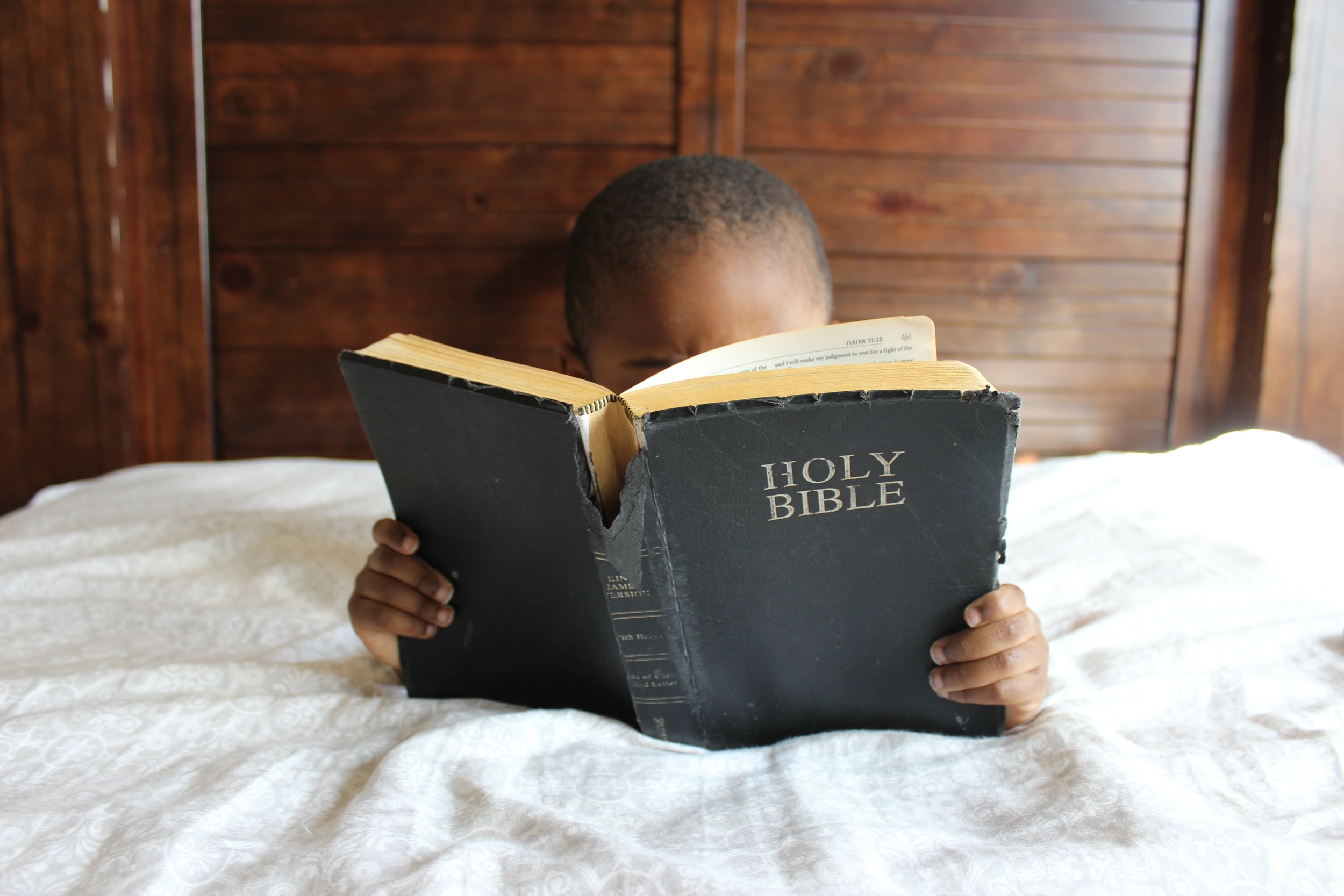
Sit on that for a moment. The physical composition of the Bible has Christian sacred texts AND Jewish sacred texts. If Christianity was purely an exclusive religion, then why would we even allow any other tradition's sacred texted to co-mingle with ours? At it's inception, Christianity is a hybrid religion of the Jewish tradition and a new thing from the Holy Spirit.
As far as I know, Christianity is one of the few religions that puts another's religion's text on same par with their own (I think Taoism and Confucianism use I Ching, and the LDS and Christianity use the Bible). There is a level of respect that Christianity has for other religions that is sometimes forgotten at best and ignored at worst.
Regardless of your beliefs of other religions, the next time you hold a Bible know that you are holding in you hands two texts of two traditions and how incredible that really is they are in one book. A physical Bible rejects exclusivity and embraces covenant relationship, and so do I.

What bees can teach us: Self care is different from caring about yourself
St. John Chrysostom once said in his 12th homily, “The bee is more honored than other animals, not because she labors, but because she labors for others.” It is a simple idea, one that we were taught while in kindergarten - the value of serving others.
While the beehive is not a common image used in relation to the Church, it does make it's appearance in the Latter Day Saints community as well as a connection to St Ambrose, St Bartholomew, St Kharlamii, and St. Gobnait (aka Abigail) to name a few. Beekeeping and the monastic life have long been intertwined.
I trust that you can discover many layers in the metaphor of bees and the Christian life but I wanted to highlight one specific aspect about bees and the Christian life. That is the work of self care.
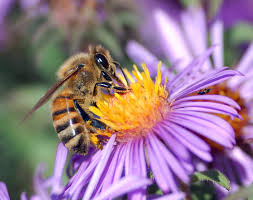
Sometimes we are prone to think that the bee is working to pollinate the other flowers that it comes across and this is what the bee is setting out to do. However, this is not what the bee is doing. The bee, as you know, is looking for nectar and it goes from flower to flower doing so. To put it another less poetic way, the bee is taking care of itself in a way that benefits the world around it. This reflective of what self care is within the Christian tradition.
Christians are called to tend to our own souls but in a particular and specif way: our self care benefits those around us. Too often self care is thought of as something that one does in order to get away from people and the larger world. Ironically, self care cannot end with the self. Self care means we act in ways renew us while also pollinating the world. More inward forms of renewal is not self care, it is just caring about ourselves.
Why didn't God just destroy chaos
In the book of Job there is a section (chapter 41) where God is speaking to Job about a creature called Leviathan. Leviathan is the ancient creature of chaos that is often depicted as living in the sea. When God begins to talk about Leviathan to Job, it is in the context of God and Job having a conversation whereby God reminds Job that there are mysteries that are beyond his knowing. For instance, can Job draw out Leviathan with a fish hook? Can Job control Leviathan in ways that merchants will be willing to bargain for it or could Job make it docile enough to show the creature off to his girls? God spends the first eleven verses of chapter 41 talking about how it it not possible for Job to destroy chaos.
As you read more of the chapter, it seems as though God's tone begins to change when talking about Leviathan. Not as something to be destroyed but as something that God is actually proud of! Like a parent bragging on their child, God begins to take notice of the beauty and power of this creature. How strong it is, how mighty it's frame. No one can overcome it. It's eyes flash forth light and there is an intensity in it's breath. When it raises itself up, even the gods are afraid. On earth it has no equal, a creature without fear!
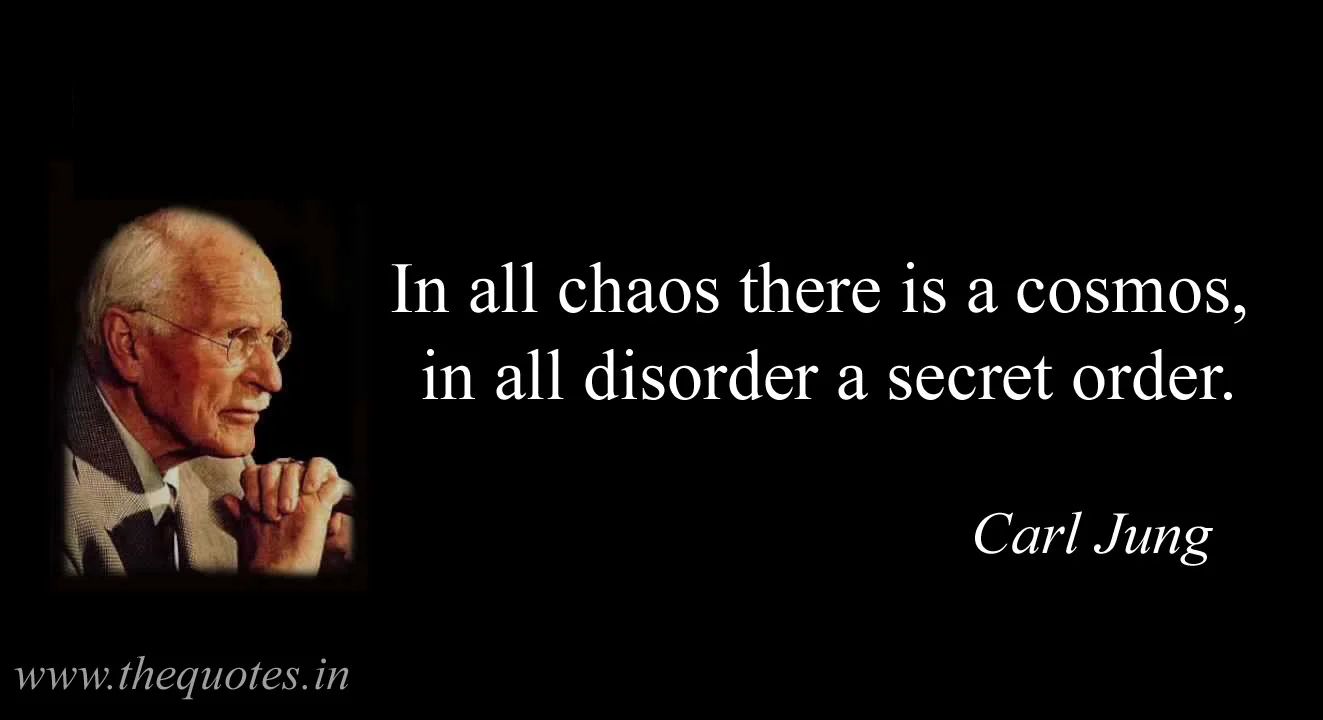
God does not destroy chaos because God has discovered that there is a beauty in chaos that cannot be overlooked or found anywhere else. So we must learn to live with chaos. The revelation to me however is not that we are to strike a balance between chaos and peace. The revelation to me is can I be like God and be in relationship with chaos that I can begin to brag on it's beauty?
Sure I can live with chaos, we all have to. But can I delight with what chaos can be/do?

Be the change by Jason Valendy is licensed under a Creative Commons Attribution-NonCommercial-ShareAlike 3.0 Unported License.