
Christianity and beliefs
Rather than replying to the previous comments on the previous post, I just took the time to write a follow up entry.
This part is a bit of a refresher.
For as many generations, Christianity functioned as a religion in which you first believed, then you learned to behave and then you became a Christian (belonged). This three-fold sequence of believing, behaving and belonging is still how much of Christianity functions today. You can find a number of church websites with a link to explain what they believe so you know right away what that "entire" community believes. If you are kosher with the beliefs then you learn to behave in the community. You learn when to worship and when to be in small group you learn what imaged to use for God and what ways to behave among one another. Finally, when you have all that in order you are counted as one who belonged to the community.
Recently the conversation has turned to invert this process. That is to create Christian community is to first create places where people belong, then as a member of the community they we learn to behave together then we get to the stuff about beliefs. This comes from Diana Butler Bass who said that if she were to join a knitting in order to learn to knit, the first thing she would do is walk into that group and belong. The group does not ask her about her thoughts on knitting philosophy, but they teach her how to knit. Finally, after time has passed, she will develop her own thoughts, which have been informed by the community, on what she holds has her beliefs on knitting.
Not only am I advocating that we need to invert the sequence of believe-behave-belong but it has been my experience that when that sequence is inverted that by the time we get to the third phase of "believing", the specifics beliefs/dogma/orthodoxy matter very little. I have friends that I would go through hell and back with because we are that close but when it comes to beliefs we could not be farther apart on a number of issues. I would be willing to be most people have someone in their lives who they belong to but have disagree about beliefs but continue to remain friends. Because the relationship is greater than anything.
 If Christianity is a religion that is about relationships, then relationships are what we work at getting "right". Unlike almost every other outlet in our world, Christianity is a movement that says it is more important that we belong to one another as children of God than what we believe. It is vital to the God's vision for the world that we are in relationship with one another, because a person is more important that a set of beliefs.
Richard Rohr's book Falling Upward I think is helpful here. Rohr argues there are two stages in life and:
"when you are young, you define yourself by differentiating yourself; now you look for the things we all share in common. You find happiness in alikeness, which has become much more obvious to you now; and you do not need to dwell on the differences between people or exaggerate the problems."
Rohr goes on to say:
"In the second half of life, we do not have strong and final opinions about everything, every event, or most people, as much as we allow things and people to delight us, sadden us, and truly influence us. We no longer need to change or adjust other people to be happy ourselves. Ironically, we are more than ever before in a position to change people—but we do not need to—and that makes all the difference."
When we discover that Christianity is less about beliefs and more about relationship then we are moving into the second stage of life Rohr writes about. If pressed to express my "beliefs" it would be this: The Biblical witness and the message of God in Christ through the Holy Spirit is clear - God changes the world by establishing relationships built around shared trust rather than shared beliefs. This is the Way of Christ.
This part is a bit of a refresher.
For as many generations, Christianity functioned as a religion in which you first believed, then you learned to behave and then you became a Christian (belonged). This three-fold sequence of believing, behaving and belonging is still how much of Christianity functions today. You can find a number of church websites with a link to explain what they believe so you know right away what that "entire" community believes. If you are kosher with the beliefs then you learn to behave in the community. You learn when to worship and when to be in small group you learn what imaged to use for God and what ways to behave among one another. Finally, when you have all that in order you are counted as one who belonged to the community.
Recently the conversation has turned to invert this process. That is to create Christian community is to first create places where people belong, then as a member of the community they we learn to behave together then we get to the stuff about beliefs. This comes from Diana Butler Bass who said that if she were to join a knitting in order to learn to knit, the first thing she would do is walk into that group and belong. The group does not ask her about her thoughts on knitting philosophy, but they teach her how to knit. Finally, after time has passed, she will develop her own thoughts, which have been informed by the community, on what she holds has her beliefs on knitting.
Not only am I advocating that we need to invert the sequence of believe-behave-belong but it has been my experience that when that sequence is inverted that by the time we get to the third phase of "believing", the specifics beliefs/dogma/orthodoxy matter very little. I have friends that I would go through hell and back with because we are that close but when it comes to beliefs we could not be farther apart on a number of issues. I would be willing to be most people have someone in their lives who they belong to but have disagree about beliefs but continue to remain friends. Because the relationship is greater than anything.
If Christianity is a religion that is about relationships, then relationships are what we work at getting "right". Unlike almost every other outlet in our world, Christianity is a movement that says it is more important that we belong to one another as children of God than what we believe. It is vital to the God's vision for the world that we are in relationship with one another, because a person is more important that a set of beliefs. Richard Rohr's book Falling Upward I think is helpful here. Rohr argues there are two stages in life and:
"when you are young, you define yourself by differentiating yourself; now you look for the things we all share in common. You find happiness in alikeness, which has become much more obvious to you now; and you do not need to dwell on the differences between people or exaggerate the problems."
Rohr goes on to say:
"In the second half of life, we do not have strong and final opinions about everything, every event, or most people, as much as we allow things and people to delight us, sadden us, and truly influence us. We no longer need to change or adjust other people to be happy ourselves. Ironically, we are more than ever before in a position to change people—but we do not need to—and that makes all the difference."
When we discover that Christianity is less about beliefs and more about relationship then we are moving into the second stage of life Rohr writes about. If pressed to express my "beliefs" it would be this: The Biblical witness and the message of God in Christ through the Holy Spirit is clear - God changes the world by establishing relationships built around shared trust rather than shared beliefs. This is the Way of Christ.
You cannot be Christian and...
I saw a sticker which read, "You can't be Catholic and pro-abortion."
First off I am not sure anyone is pro-abortion, even those who advocate for choice are not advocating abortions only the freedom to choose.
That aside, it is curious to me the number of dichotomies that are set up in order to create in and out groups among my Christian brothers and sisters.
If history serves me correctly then there was a time when people thought you could not be Christian and uncircumcised. There was a time when people thought you could not be Christian and embracing of civil rights. There was a time when people thought you could not be Christian and gay. There was a time when people thought you could not be Christian and in the army. There was a time when people thought you could not be Christian and not be a Capitalist. There was a time when people thought you could not be Christian and a whole slew of things.
The fact of the matter is there is always a flux in understanding what it means to be a Christian. There is always a continuum that all Christians fall into. Rest assured that somewhere someone does not think you are a Christian. What is often forgotten is that what makes one a Christian is not beliefs - it never has been about beliefs.
First off I am not sure anyone is pro-abortion, even those who advocate for choice are not advocating abortions only the freedom to choose.
That aside, it is curious to me the number of dichotomies that are set up in order to create in and out groups among my Christian brothers and sisters.
If history serves me correctly then there was a time when people thought you could not be Christian and uncircumcised. There was a time when people thought you could not be Christian and embracing of civil rights. There was a time when people thought you could not be Christian and gay. There was a time when people thought you could not be Christian and in the army. There was a time when people thought you could not be Christian and not be a Capitalist. There was a time when people thought you could not be Christian and a whole slew of things.
The fact of the matter is there is always a flux in understanding what it means to be a Christian. There is always a continuum that all Christians fall into. Rest assured that somewhere someone does not think you are a Christian. What is often forgotten is that what makes one a Christian is not beliefs - it never has been about beliefs.
What if we are the ones the dead have been waiting for?
I am not sure I understand but if Jesus is supposed to come back, but the Church is the body of Christ then could it be that we are the ones the dead have been waiting for?
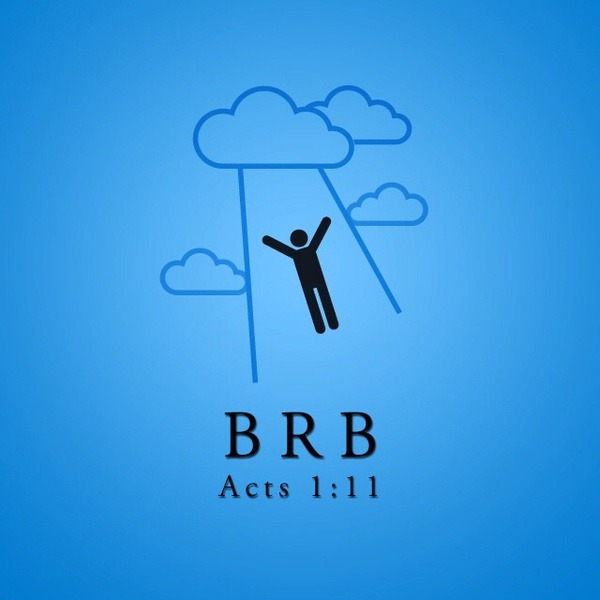 Are we the ones who are charged with embodying Christ in such a way that the kingdom of God (culture of God) will be made known? Why do we stand looking up to the heavens waiting for a superman/Jesus hybrid to "save" us?
It seems like God has more faith in humanity than humanity has in itself. Christ had no plan "B" as it were. He entrusted and had faith in the disciples to continue on.
What if the body of Christ is already here for the second time? What if the body of Christ is here and now?
It seems like God has more faith in humanity than humanity has in itself. Christ had no plan "B" as it were. He entrusted and had faith in the disciples to continue on.
What if the body of Christ is already here for the second time? What if the body of Christ is here and now?

Be the change by Jason Valendy is licensed under a Creative Commons Attribution-NonCommercial-ShareAlike 3.0 Unported License.