

General is Populist, Specific is Prophetic
Elections of public servants is always a fun season for me, especially the Presidential elections. When else does everyone have a shared interest in politics enough to break the rules of talking about politics in public (even is most of the talk is disdain for the process or mocking a candidate's gaffe). The election cycle not only carries with it the gaffes but also the general platitudes to rally the base. These general stump speech comments range from "we need to change some things in Washington" to the story of how the candidate grew up in a working class home and is just an average person. These general statements not only bolster the base but also make those passive onlookers think, "you know I don't know much about that person but I like what they are saying right now."
General talk is popular which is what makes it seductive to Church leaders. For instance we often talk about the Church needs to change, be open to new ideas, embrace the youth and make the hard decisions. We do a lot of general talk but we are missing the call of the Church to be specific. It is the specific that is prophetic.
Reading the prophets in the Bible you will see they did not speak a lot in general terms. Nathan said to David, "You are the man that is stealing from the poor to profit yourself." Amos said to the wealthy women of his time, "You cows of Bashan!" Hosea told the people that they were "cheating on God by worshiping idols" Hosea said that people need to stop sacrificing and mercy.
So may we be a Church that speaks to the specifics as well as the general. When we talk about loving our neighbor (general) can we have the courage to say specifically how go about loving ISIS. When we talk about having Open Hearts, Open Minds and Open Doors (general) can we talk about how our hearts are closed to talking about racism; how our minds are shut to hear words like sin, angels or demons; how our door are closed to LGBTQ church leaders.
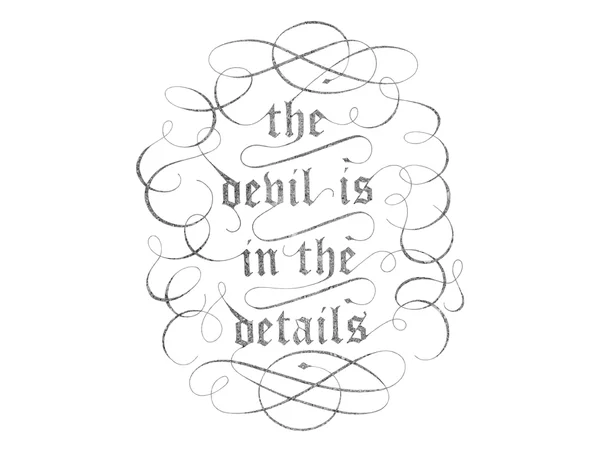
They say the devil is in the details. May the Church not fear the devil.

Podcast Recommendations
If you are not into podcasts, or even know what they are, then I hope you might see this post as a "recommended for you" post. If you are into podcasts I hope that there is at least one one this list that you have not listened to. Finally, if you have any podcast recommendations yourself, I would love to hear from you in the comments section.
First a quick introduction of podcasts:
Oral Tradition + Radio + Learning + Entertainment = Podcasts
You can locate podcasts on places like iTunes or Google Play on your phone. Podcasts are free downloads you then can listen to when you have time.
With that out of the way, here are a few recommendations to you to listen to:







The Authority of Authority in the Decline of Religion
Within the Church there are different sources of authority that have held the prized position over the ages. For instance, the early Church prized the authority of Tradition which was part of the complaint of the Protestant Reformation. Reformers believed that Scripture should be put in the prized position. During the Enlightenment, Scripture's authority was questioned as superstitious and antiquated which is why Reason began to take the prized position of authority. With the rise of post-modernity the reign of the individual Experience began as authoritative in the world.
And so we find ourselves in a time where we are in series of conversations about source will take the prized position of authority. We see this in American politics as we debate what is most authoritative - the Constitution? The Bill of Rights? The President? Congress? Courts? States or Federal laws?
Likewise we see the debate over prized authority in the Church.
I would submit that the shifting American Religious landscape is all about Authority. The rise of the "Bible Church" tells you what has the prized position of authority. The efforts bridging science and theology often reflect the prized position of reason. The exodus of Evangelicals to the Mainline might reflect the authority of Tradition while the rise of the "spiritual but not religious" may reflect those prizing Experience.

The sources of authority are not limited to these four to be sure. What might be missing in the entire conversations about the decline of religion, the rise of secularism, and the overall changing of values in the United States (and perhaps the world?) is conversation about what should have the prized position of authority in our time. And more specifically, and perhaps more tragically, the conversation to learn to live with the complex reality that there are many valid and different sources of authority.
Christians say God is Three in One and One in Three (the Trinity), as a way of saying that God is too mysterious to put just one name on. Likewise, authority is too complex to limit ourselves to just one source. The authority of authority is the conversation happening under the conversation. The authority of authority is what nudges us into different camps. It is the authority of authority that can also be the path to consensus building.

Be the change by Jason Valendy is licensed under a Creative Commons Attribution-NonCommercial-ShareAlike 3.0 Unported License.