
Faith Formation as a liquid rock
You may have run across the "Pitch Drop experiment" . From the official website:
In 1927 Professor Parnell heated a sample of pitch and poured it into a glass funnel with a sealed stem. Three years were allowed for the pitch to settle, and in 1930 the sealed stem was cut. From that date on the pitch has slowly dripped out of the funnel - so slowly that now, 83 years later, the ninth drop is only just fully formed.

This is the longest running experiment we have and no one has actually seen any of the nine drops fall.
If this sounds like something you have heard of, you may be like me and have heard of it via the great RadioLabs.
I share this to point that Christian Spiritual Formation is much like this pitch. It is something that takes a long time and is very difficult to see the movement. Each day through the different forces of spiritual disciplines we are pulled.
But more than that, it is worth noting that the material we call pitch seems like a rock in room temperature. That is to say, it looks like a solid - unchangeable.
While there is an ongoing discussion about nature vs. nurture, what seems to be assumed in the discussion is that human beings, once formed by nature and/or nurture, are set - unchangeable.
Perhaps it might be better to think of humans more like pitch.
We are fluid. We change.
And if we are made in the image of God, perhaps God changes?
Decision making - clergy style
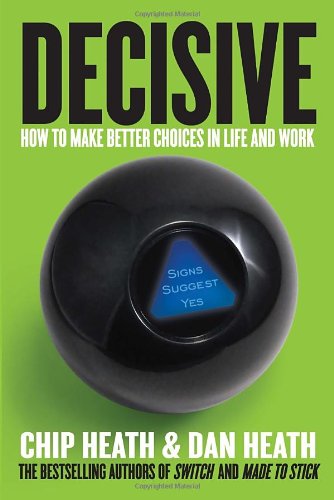
There are many books on how to make better decisions. Recently I completed the book by the Heath Brothers - Decisive, which was not that bad of a book and in many ways rather fun to read. It is becoming clear to me over time that the best clergy that I have known make decisions in a particular way. Clergy may not have a monopoly on this decision making style, but I share it here as a way to personally strive for it.
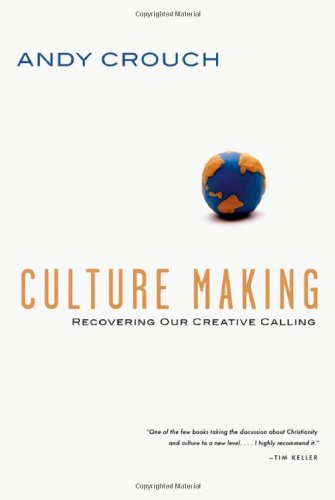
It has been said by very smart people that "culture eats strategy for lunch every time". It is a bit of a catch phrase and seems obvious when thought about. However it still does not seem to sink in for most of us.
The worse clergy have to make a lot of decisions. The best clergy make fewer decisions. Not because the latter delegates better, but because the best clergy made decisions in the past that eradicate future decisions.
When I was a kid, my parents decided way before I began asking, that my brother and I cannot spend the night at our friends house on "school nights." This one decision decreased the amount of decisions they had to make because my brother and I knew what my parents would say if we were to ask to sleep at Bobby's house on Wednesday night.
My parents created a culture with a few decisions and overtime they had to make fewer decisions.
The best clergy operate this way as well. They make less decisions over time because they made certain decisions in their past. Making decisions like: "I will not put anyone in charge of anything if they are not fully on board." Means that you know right away the number of people for whom you have to decide who will be in charge will be less.
One decision I made early in my ministry was that I am not called to be the 'Shepard', that is the job of Jesus. I view my calling as that of a sheepdog. This decision ensures that I will not have to make a slew of decisions from how I relate to the laity to how I preach. This one decision lays the foundation for a culture that I hope to live into and, with the help and guidance of God through the Spirit, help usher in.
Culture eats strategy for lunch every time. Which is why Christians are to be culture makers.
David is Goliath
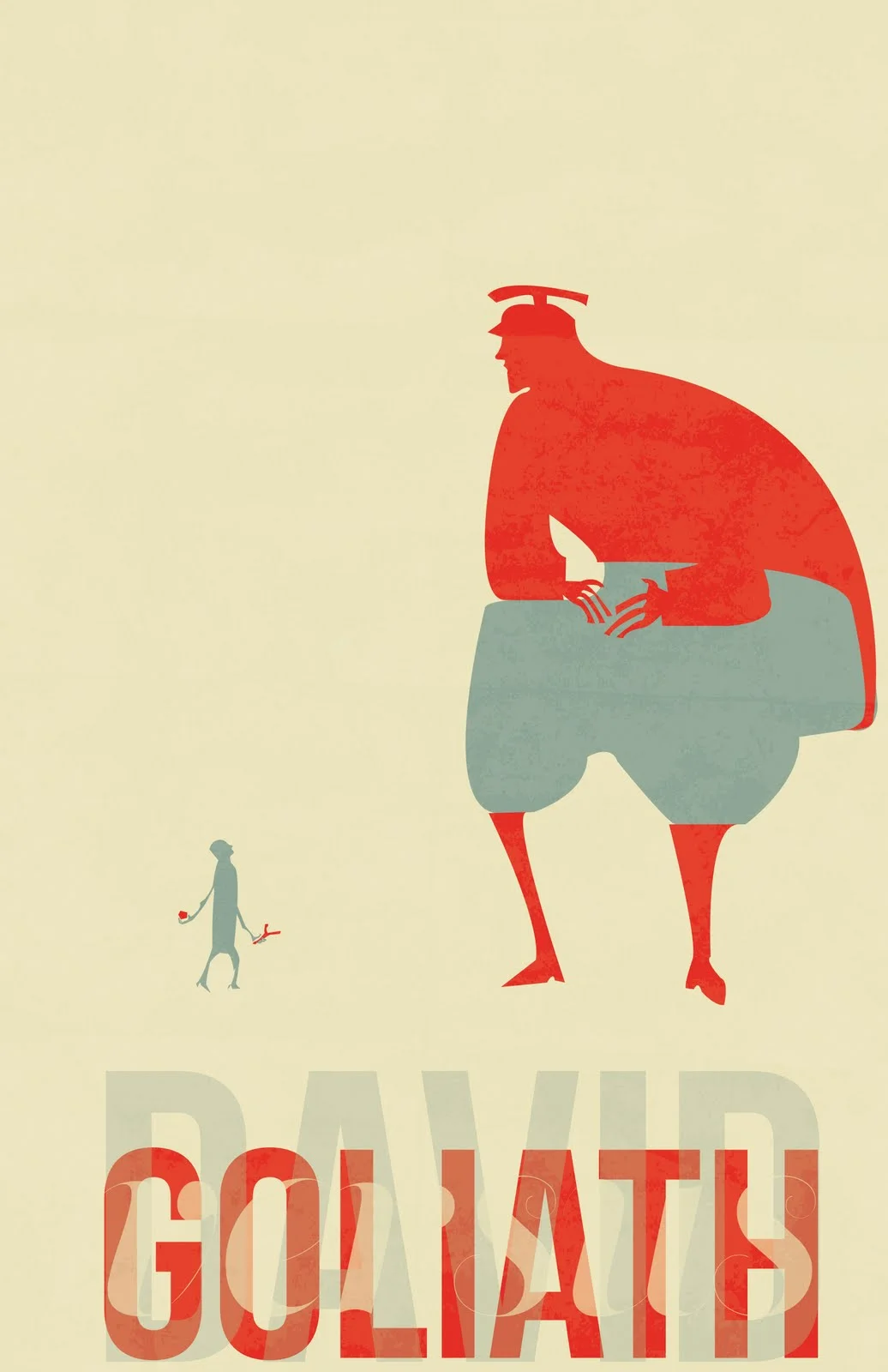
Even for the non-Christian the story of David and Goliath is seared into your brain. This story is invoked for all sorts of reasons. Political and inspirational and everything in between. Lets be honest, Disney makes most of their money on variations of the David v. Goliath story. Just a little gallery to get the point


Perhaps one of the most vivid D v. G stories told in the minds of Americans is a hockey game (ironically enough, also a Disney movie):
When I was a child and read the story of David v. Goliath I was interested in David's ability to take down the giant. I was amazed that the little guy could be clever enough to beat the big guy. It is, for many reason, in part why I continue to cheer for the underdog in sports.
Upon further reflection of this story, it is clear that David won this battle but Goliath won the war.
For you see the Spirit of Goliath was in the heart of David and lives on alive and well today. David realized that he could not beat Goliath at his own game using swords and armor, so David used a sling. He found a different set of tools, but was playing the same game - violence.
This is in part why I do not follow David but the Son of David. Jesus also realized that he could not beat Goliath with swords and armor. Jesus also knows that picking up a sling or any other weapon would only ensure that the Spirit of Goliath is undefeated. When we use violence to overthrow violence the only winner in that war is violence.
We applaud David's courage to fight the Goliath. We applaud David's ability to see he could not beat Goliath is swords and armor. We applaud David's faith in God. But in doing so, are we applauding violence as solution to the problem of violence?

Be the change by Jason Valendy is licensed under a Creative Commons Attribution-NonCommercial-ShareAlike 3.0 Unported License.